IN FOCUS

Aging is a privilege as a developmental stage

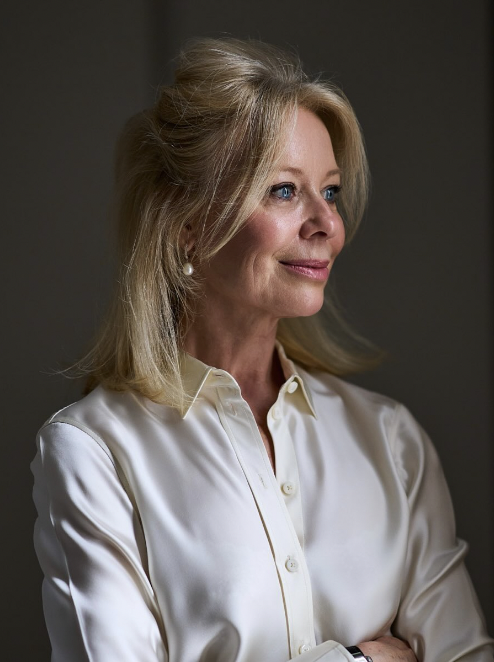
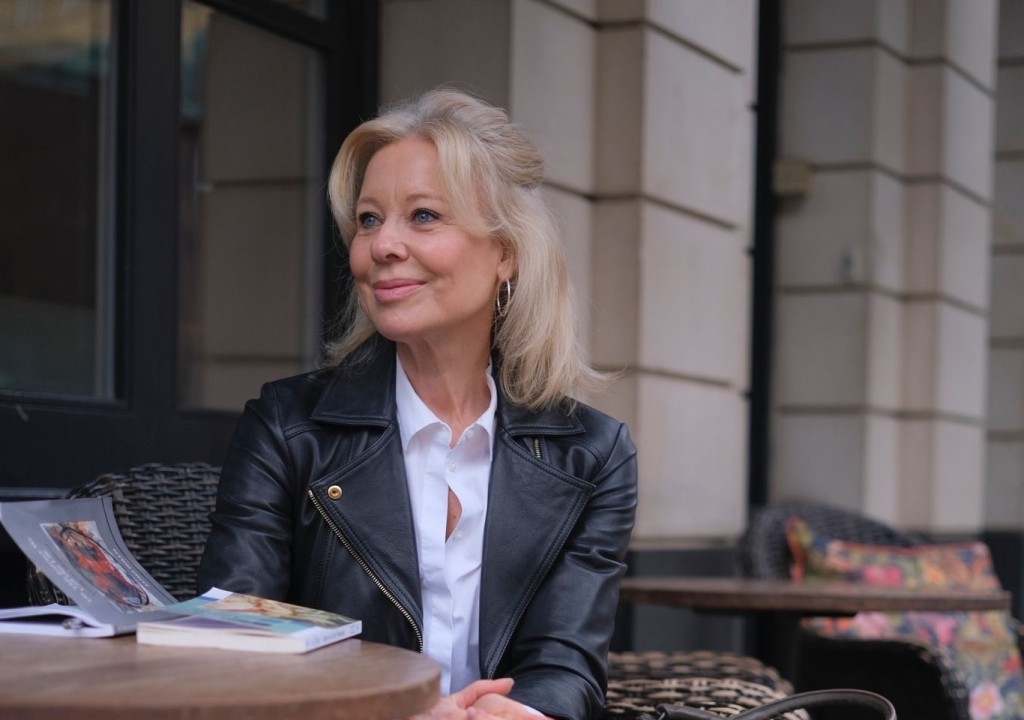
Picture of Maria Tibblin

Maria Tibblin

Jungian Analyst Candidate & Certified Jungian Coach

The value of old age in today's world often seems diminished, particularly in cultures where the respect once given to older generations for their wisdom, experience, and knowledge has faded.

In my practice, I encounter many clients who feel a loss of purpose as they age. While we are living longer and healthier lives than ever before, there is a troubling paradox: older individuals are often perceived as less relevant than their predecessors. It is as if society has imposed a "best before" date.

This trend of living longer should be celebrated, as it allows us more time to grow and contribute to society. We must move beyond seeing old age as merely a decline and instead recognize it as a stage of profound insight and transformation.

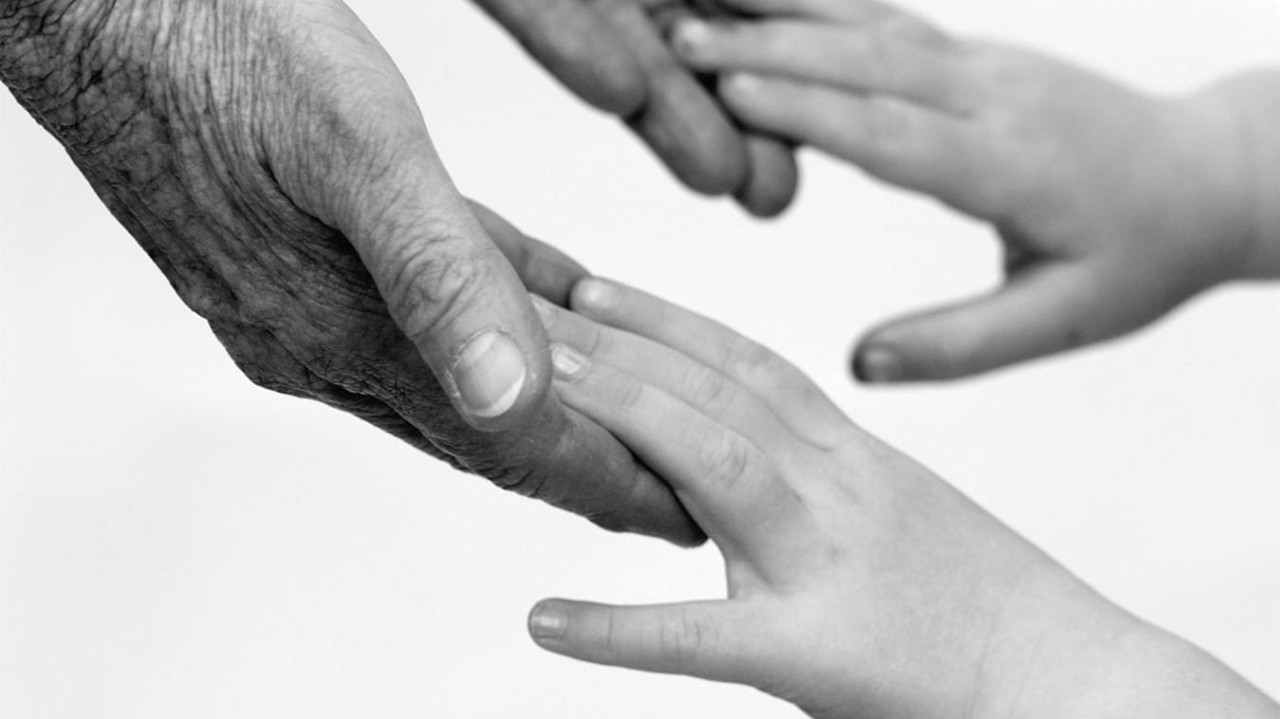
Are we willing to pause, hold their hands, and see the spark of life in their eyes, even if those eyes are tired? Do we take the time to listen, to learn from those who have walked life’s paths before us, serving as living archives of history?

I find the stories my clients carry to be treasures, filled with knowledge and wisdom. Sharing these stories is not just therapeutic but an act of preserving history and humanity. By listening, we appreciate the journey of those who came before us.

Carl Jung highlights how deeply the role of ancestry and archetypes shapes our identity. To understand ourselves fully, we must explore and differentiate from this multilayered heritage.

Jung was among the first to view aging not as a decline but as a developmental stage. He described life as a continuum of learning and growth. “Become what you are.”

This process of individuation, central to the second half of life, involves integrating conscious awareness with unconscious aspects of the psyche.

Unlike the outward focus of youth, building careers, relationships, and social roles, the second half of life emphasizes inner growth. This inward journey requires adapting to the shifting truths of life. This is a phase in life when clients come to me seeking guidance in exploring life’s deeper truths and to learn to accept the contrasting aspects within themselves.

Our ancestors, from the archetypal to the personal, leave lasting imprints on our lives and influence generations to come. Evidence of their presence can be seen in for example dreams. To understand who we are and where we are going, we must honour where we came from, embracing both the past and the wisdom of those still living among us.

By reconnecting with these roots and valuing the contributions of our elders, we can create a culture that truly respects and learns from the continuum of life.

“We cannot live the afternoon of life according to the program of life’s morning; for what was great in the morning will be little at evening, and what in the morning was true will at evening have become a lie.” Carl Jung

Privacy Overview

This website uses cookies so that we can provide you with the best user experience possible. Cookie information is stored in your browser and performs functions such as recognising you when you return to our website and helping our team to understand which sections of the website you find most interesting and useful.